
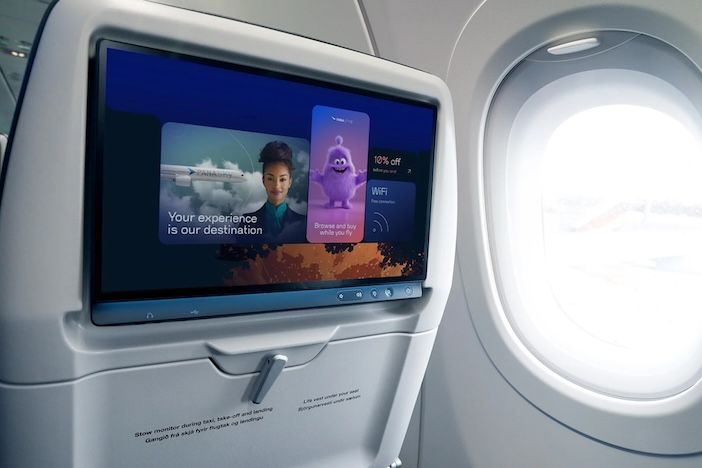
Panasonic Avionics has announced that it has reached a landmark sales figure of 500,000 Astrova in-flight entertainment systems since the platform was launched in 2022. Astrova has been selected by more than 45 airlines across more than 150 aircraft installation programmes to date, making it the fastest-adopted IFE solution in the company’s history.
The half-million sales figure includes screens already in service with airlines, as well as units advancing through seat integration and installation ahead of delivery to airlines.
In response to growing demand for the systems, Panasonic Avionics has expanded its Osaka-Kadoma factory in Japan, creating a six-fold increase in production capacity for Astrova. The facility serves as a global production hub for Astrova and will support its continued rollout across new aircraft linefit and retrofit programmes worldwide.
The factory’s total area has been expanded to more than 10,000 square meters, which is approximately double its previous footprint. Production space has expanded by approximately 1.8 times, and its equipment capacity has doubled. Additional capacity also has been built in to support further growth in demand.
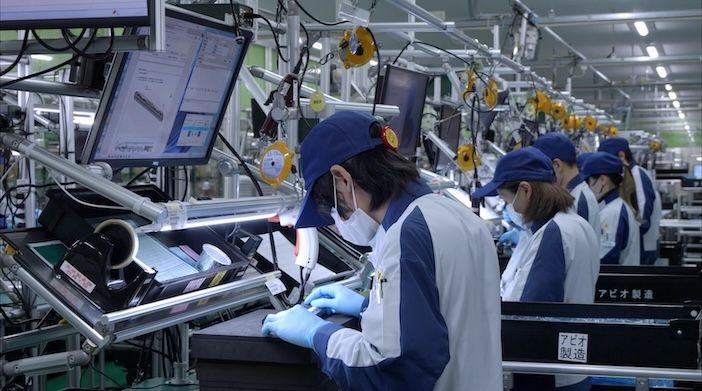
Andy Masson, senior vice president of product and strategy at Panasonic Avionics, said of the sales figure: “We expect that by March 2027, more than three million passengers per month will use Astrova screens produced in our Osaka facility. This investment in the expansion, and the Avionics business unit’s reputation for precision manufacturing, will provide the production scale, consistency, and reliability needed to support growing airline demand for Astrova.”
Upgradeable technology
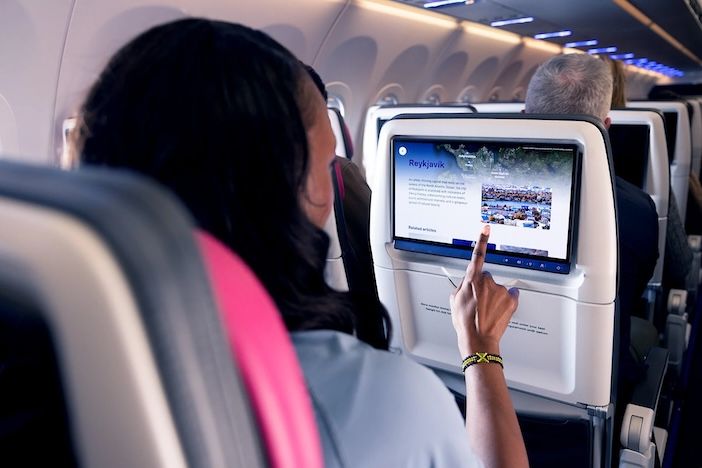
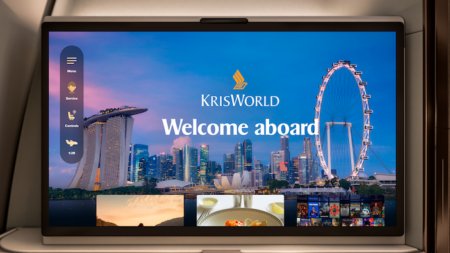
Astrova was developed with the goal of bringing the quality and flexibility of consumer digital technologies into the aircraft cabin. The system combines 4K OLED HDR10+ seatback displays with high-fidelity audio, Bluetooth audio, passenger-device integration, and device charging capabilities. System features such as Bluetooth, USB standards, processors, and memory can be upgraded over time to keep pace with passenger expectations.
Astrova can also be connected to in-flight connectivity (IFC) services, including new LEO networks, to create a connected seatback and a digital third channel that enables airlines to personalise the user experience and engage with customers.