


A new study suggests that airlines may be missing opportunities to increase levels of customer trust, spend and loyalty by having more visible sustainability initiatives in the aircraft cabin.
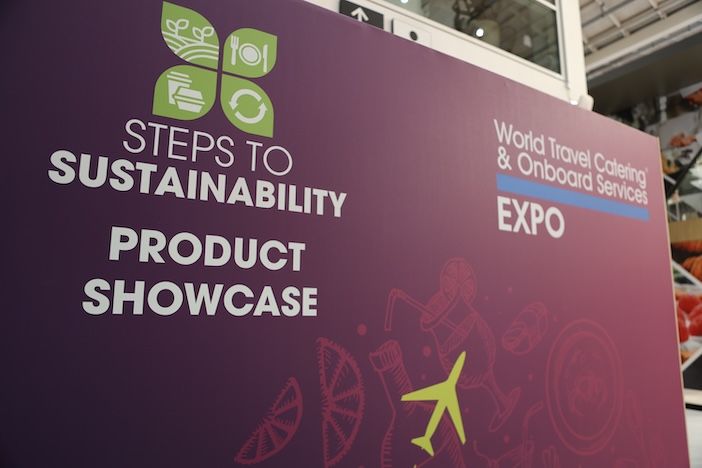
The report, titled ‘A Greener Passenger Experience, A Smarter Airline Strategy’, based on a survey of 2,000 UK travellers, has been commissioned by World Travel Catering & Onboard Services Expo (WTCE). Written in collaboration with Matt Crane, who is founder of the Aviation Sustainability Forum (ASF), the report has identified a ‘sustainability gap’ between what passengers say they want and what they actually see from airlines today.
Passengers want sustainability, but they don’t act on it
51% of the UK travellers surveyed said that sustainability matters to them when choosing an airline for a flight, yet 68% admit they have never actually selected a carrier based on its environmental credentials. While price may trump sustainability at the booking stage, sustainability plays a more significant role once the customer is on board the flight.
42% of passengers say their purchasing decisions in the cabin are influenced by visible signs of eco-friendly initiatives, such as reduced use of single-use plastics, active recycling practices, or greener product options.
Passengers are willing to pay more to be green
WTCE’s research also suggests a willingness to pay for greener choices. Over a third of survey respondents (37%) said they would pay a premium for more sustainable onboard options, with most of them saying they are comfortable paying between 6–10% more.
Despite this interest in sustainability, only 14% of respondents said they currently consider airlines to be genuinely sustainable, reflecting a widespread trust deficit.
However, 40% believe the aviation industry is moving in the right direction, suggesting that clearer communication and more visible actions could shift perception further. The findings of the report also shed light on the scale of the catering waste challenge, with 18% of complimentary food and beverage going untouched – which is a strong indicator of where operational efficiencies and environmental improvements can align.
The most visible indicator of progress – waste
According to Matt Crane, who is also a Sustainability Ambassador to WTCE, waste is the most powerful and immediate signal available to airlines because passengers can physically see its impact directly.
“Waste reduction is tangible. If airlines make these improvements visible, they can close the trust gap quickly,” he says.
Kai Kosicki, founder of the ExpAir inflight consulting company agrees, adding that sustainability has evolved into a defining product feature in inflight retail and hospitality, influencing not only how passengers perceive brands but also how they choose to spend onboard.
“When airlines integrate sustainability into their retail and catering offer, it doesn’t just improve brand credibility – it directly drives engagement and spend,” says Kosicki, who is WTCE’s Retail Technology Ambassador.
Sustainability becomes a key onboard product feature
The report also points to several operational and commercial strategies that could help airlines respond to this shifting passenger mindset towards sustainability. Smarter loading models and pre-order systems offer opportunities to reduce inflight waste while improving service accuracy.
Moves toward plastic-free, recyclable or mono-material packaging can strengthen both environmental performance and brand credibility. Eco-led retail ranges, digital menus and paperless interactions present further avenues to improve the passenger experience while supporting sustainability goals.
Together, these measures offer airlines an opportunity to enhance both perception and performance, delivering tangible environmental benefits alongside commercial gains.
The report includes full data breakdowns, expert analysis from Matt Crane and Kai Kosicki, and practical recommendations for airlines and suppliers. You can access the full report here.